
How IV Therapy Boosts Athletic Performance and Recovery in Oakville
Intravenous (IV) therapy is a wellness treatment where fluids, vitamins, and minerals are delivered directly into your bloodstream through a small tube inserted into a vein. While it was once used mostly in hospitals for sick patients, it has become very popular among athletes ranging from weekend joggers to competitive pros. The main idea is to give the body the fuel it needs more efficiently than drinking water or taking pills alone.
In Oakville, we have a very active community filled with runners, hockey players, cyclists, and gym enthusiasts who are always looking for ways to improve their game. Because of this, many sports medicine and wellness clinics in the area have started offering IV drips tailored specifically for athletic needs. These clinics provide a safe space where active people can address their health goals under the supervision of medical professionals.
This article will explore how IV therapy might help you stay hydrated, get essential nutrients, and recover faster after a tough workout. You will learn about the science behind the treatment, the specific ingredients used to boost performance, and safety tips to keep in mind. By the end, you will have a better understanding of whether this therapy is a good fit for your fitness routine.
What Is IV Therapy for Athletes and How Does It Work?
IV therapy is a method of administering fluids and nutrients directly into the body’s circulation. When you eat food or take supplements, your digestive system has to break them down before your body can use them. IV therapy bypasses the digestive system entirely, allowing for 100% absorption of the ingredients into the bloodstream. This means the body can use these nutrients almost immediately to support various functions.
For athletes, this efficiency is crucial because intense physical activity burns through energy stores and nutrients rapidly. Sometimes, drinking sports drinks isn’t fast enough to replace what is lost during a marathon or a heavy lifting session. IV therapy bridges this gap by flooding the cells with what they need to function at their best. It is designed to work alongside a healthy diet, providing a concentrated boost that is hard to achieve through food alone.
The fluid bags used in these treatments usually contain a base of saline to restore hydration levels quickly. Added to this base are specific ingredients known to support athletic performance, such as electrolytes, B vitamins, and Vitamin C. Many blends also include amino acids, which are the building blocks of protein, as well as magnesium, zinc, and glutathione. Together, these components help support energy production, muscle repair, and overall cellular health.
IV Therapy vs. Oral Hydration and Supplements
The biggest difference between an IV drip and a water bottle is the speed and completeness of absorption. When you drink water or take a vitamin pill, your body might only absorb about 50% to 60% of the nutrients because the digestive process breaks some of them down or passes them through as waste. In contrast, IV infusions ensure that your body receives the full dosage of fluids and vitamins, which can be especially helpful when you are severely dehydrated or depleted.
However, this does not mean you should stop drinking water or eating healthy food. Oral hydration is usually sufficient for light to moderate exercise. An athlete might consider IV therapy as an extra tool—an “adjunct”—when they are training at high intensities, preparing for a big race, or struggling to keep fluids down due to nausea or fatigue. It is meant to supplement a solid foundation of good nutrition, not replace it.
Key Benefits of IV Therapy for Athletic Performance
Leading sports and wellness clinics highlight several core benefits of IV therapy, starting with improved hydration. Proper fluid balance is essential for every physical movement, and even mild dehydration can cause a significant drop in strength and speed. By ensuring the body is fully hydrated, athletes often report reduced fatigue and better overall stamina during their activities.
Another major benefit comes from the infusion of B vitamins and a coenzyme called NAD. These nutrients play a vital role in how the body produces energy at a cellular level. When your levels of B vitamins are optimized, you may experience better mental focus and endurance. This can be the difference between hitting a wall halfway through a workout and powering through to the end.
maintaining optimal nutrient levels also helps stabilize physiological functions like heart rate. When the body has the right balance of electrolytes, it doesn’t have to work as hard to pump blood and regulate temperature. This can help delay the onset of muscle fatigue, allowing an athlete to perform consistently for longer periods. This stability is key for endurance athletes who need to maintain a steady pace for hours.
Many athletes share anecdotal reports of feeling “lighter” or more prepared after a session. Some mention that they experience fewer dips in their energy levels during competition weeks when they use IV therapy. While individual results can vary, the feeling of being topped up on essential vitamins often gives athletes a mental and physical edge.
Enhanced Hydration and Electrolyte Balance
Intense training and endurance sports lead to heavy sweating, which strips the body of fluids and critical electrolytes like sodium and potassium. When these levels drop, performance suffers, and athletes may experience brain fog or slower reaction times. Drinking water helps, but it takes time for that fluid to leave the stomach and enter the blood.
“A study published in the Journal of the International Society of Sports Nutrition found that IV hydration can restore electrolyte balance 2–3 times faster than oral hydration.” -Novo Wellness Center
IV therapy solves this problem by rapidly restoring the body’s fluid and electrolyte balance. This immediate rehydration supports proper muscle contractions and nerve signaling, which are essential for movement. It also helps with thermoregulation, keeping the body from overheating. This is particularly valuable in the days leading up to a competition or immediately following a long event in the summer heat.
How IV Therapy Supports Faster Recovery and Reduced Soreness
Recovery is just as important as training when it comes to building muscle and preventing injury. If an athlete cannot recover properly, their performance will plateau, and they risk getting hurt. IV therapy is frequently used to speed up this recovery process, helping the body repair itself more efficiently after physical stress.
Ingredients like amino acids and magnesium are famous for their ability to relax muscles and aid in tissue repair. Additionally, powerful antioxidants like Vitamin C and glutathione help reduce inflammation and oxidative stress, which are common causes of post-workout pain. Clinics like Inside Health Clinic offer specific recovery blends designed to tackle these issues, helping athletes feel less stiff and sore.
When nutrients are delivered directly to the tissues that need them, the healing of microscopic muscle tears can happen faster. This also supports the health of connective tissues like tendons and ligaments. By reducing the time it takes to heal, athletes can bounce back quicker from heavy lifting days or long runs.
Ultimately, faster recovery means less downtime. Instead of taking three days to feel normal again after a grueling game, an athlete might be ready to train again in one or two days. This allows for more consistent training schedules, which is the key to long-term improvement and success in any sport.
Inflammation, Oxidative Stress, and Muscle Repair
Strenuous exercise triggers a natural inflammatory response in the body and produces free radicals, which are unstable molecules that can damage cells. This process is what leads to the feeling of soreness, stiffness, and general fatigue the day after a workout. While some inflammation is necessary for muscle growth, too much can hinder performance and cause pain.
IV blends often contain high doses of antioxidants that neutralize these free radicals. Glutathione, often called the “master antioxidant,” works alongside Vitamin C to clean up oxidative stress and support the body’s natural repair systems. By managing this inflammation, IV therapy can potentially reduce the perceived discomfort of recovery and help athletes feel fresh sooner.
Common IV Nutrient Blends Used by Athletes
Most clinics offer specific “performance” or “recovery” drips that contain a standard set of ingredients beneficial for active bodies. These blends typically start with a liter of balanced fluids and electrolytes to handle hydration. From there, they add B-complex vitamins for energy, Vitamin C for immune support, and minerals like magnesium and zinc to support muscle function.
Each nutrient plays a specific role. For example, magnesium is excellent for muscle relaxation and can help prevent cramping, while amino acids provide the raw materials needed to build new muscle tissue. Vitamin C is not only an antioxidant but also helps with collagen production, which keeps joints healthy. Some advanced blends might include NAD+ to boost cellular energy or glutathione for detoxification.
It is important to note that dosages and formulations can vary significantly from one clinic to another. A “Myers’ Cocktail” is a very common starting point, but athletic drips are often more potent. The exact amount of each vitamin is usually adjusted to ensure it is safe and effective for the person receiving it.
Because every athlete is different, the best results often come from personalization. While a standard menu item is fine for general hydration, a serious athlete might need more of specific nutrients based on their training volume or diet. This is why consulting with a professional is key to getting the right mix.
Personalized vs. Standard IV Protocols
Standard “menu” IV bags are pre-formulated mixtures that offer a general boost for the average person. However, customized protocols are designed after a thorough health assessment. This might involve looking at recent blood work to identify deficiencies or reviewing an athlete’s specific training schedule to time the infusions correctly.
In Oakville, athletes should look for practitioners who are willing to tailor the treatment. A runner training for a marathon has different needs than a powerlifter focusing on strength. By customizing the nutrient blend, the provider can address specific goals, such as increasing endurance or speeding up muscle repair, while also considering any existing medical conditions or medications.
“Research in the American Journal of Sports Medicine found that athletes using IV hydration and nutrient therapy experienced 35% faster recovery times than those relying solely on oral hydration.” -Novo Wellness Center
Is IV Therapy Safe and Legal for Athletes in Oakville?
Generally, IV therapy is considered safe when it is administered by trained medical professionals in a clinical setting. In Oakville, reputable clinics adhere to strict hygiene standards to prevent infection. Before receiving a drip, you should always undergo a screening process where a nurse or doctor checks your vitals and reviews your medical history to rule out heart or kidney issues.
Like any medical procedure, there are possible side effects. The most common are minor bruising or irritation at the injection site. Some people might experience a headache or feel lightheaded. In rare cases, individuals with certain health conditions could experience fluid overload, which is why a proper medical history review is essential before starting.
Regarding legality, IV therapy is legal, but competitive athletes need to be aware of anti-doping regulations. The World Anti-Doping Agency (WADA) and other governing bodies have specific rules about the volume of fluid that can be infused intravenously within a certain time frame, regardless of the ingredients. Competitive athletes must check their federation’s policies to ensure they remain compliant.
For the vast majority of recreational athletes and fitness enthusiasts in Oakville, these strict anti-doping rules do not apply in the same way. However, safety should always be the priority. Reputable clinics will follow provincial regulations, use licensed staff, and ensure that every client gives informed consent before treatment begins.
Who Should Avoid or Be Cautious with IV Therapy?
Certain groups of people need to be extra cautious or may need to avoid IV therapy altogether. Individuals with kidney disease or heart failure may not be able to handle the rapid influx of fluids and electrolytes. Those with uncontrolled high blood pressure or specific metabolic disorders should also consult a specialist first.
Additionally, anyone with a history of severe allergic reactions to any of the ingredients found in the drips should be careful. It is crucial to remember that IV therapy is a wellness treatment and not a substitute for emergency care. If an athlete feels genuinely ill or has an underlying condition, they must consult their primary care physician before booking a session.
Who in Oakville Can Benefit Most from Athletic IV Therapy?
A wide variety of active people in Oakville can benefit from IV therapy. Endurance athletes like marathon runners, triathletes, and cyclists often use it to recover from long training miles. Similarly, hockey players, rowers, and those involved in high-intensity sports like CrossFit or HIIT may find it helps them maintain their energy levels throughout a demanding season.
It is also highly beneficial for “weekend warriors”—people who work busy jobs during the week and train intensely on the weekends. These individuals often struggle to get enough sleep or nutrition due to their schedules, and IV therapy can help bridge that gap. It can be particularly useful during tournament weekends where athletes have to play multiple games in a short period.
Age is another factor. While adult recreational athletes and masters athletes use these therapies frequently to combat slower recovery times, minors require parental consent and careful medical oversight. The goal is to support the body safely, regardless of the sport or age group.
Realistic Expectations: What IV Therapy Can and Cannot Do
It is important to have realistic expectations. IV therapy is an excellent tool, but it is not a magic cure. It acts as an adjunct to a healthy lifestyle, meaning it works best when paired with a proper training program, good nutrition, and adequate sleep. If you are not eating well or sleeping enough, an IV drip will only help so much.
Results can also vary from person to person. Some athletes feel an immediate boost in energy and a significant reduction in soreness, while others notice more subtle benefits over time. IV therapy cannot compensate for chronic overtraining or poor diet choices, but it can provide that extra percentage of support needed to reach a new personal best.
What to Expect During an IV Therapy Session in Oakville
When you visit a clinic in Oakville for IV therapy, the process usually begins with a consultation. You will fill out a health questionnaire and discuss your performance goals with a nurse or doctor. Based on this conversation, you will work together to select the IV blend that best matches your needs, whether that is hydration, energy, or recovery.
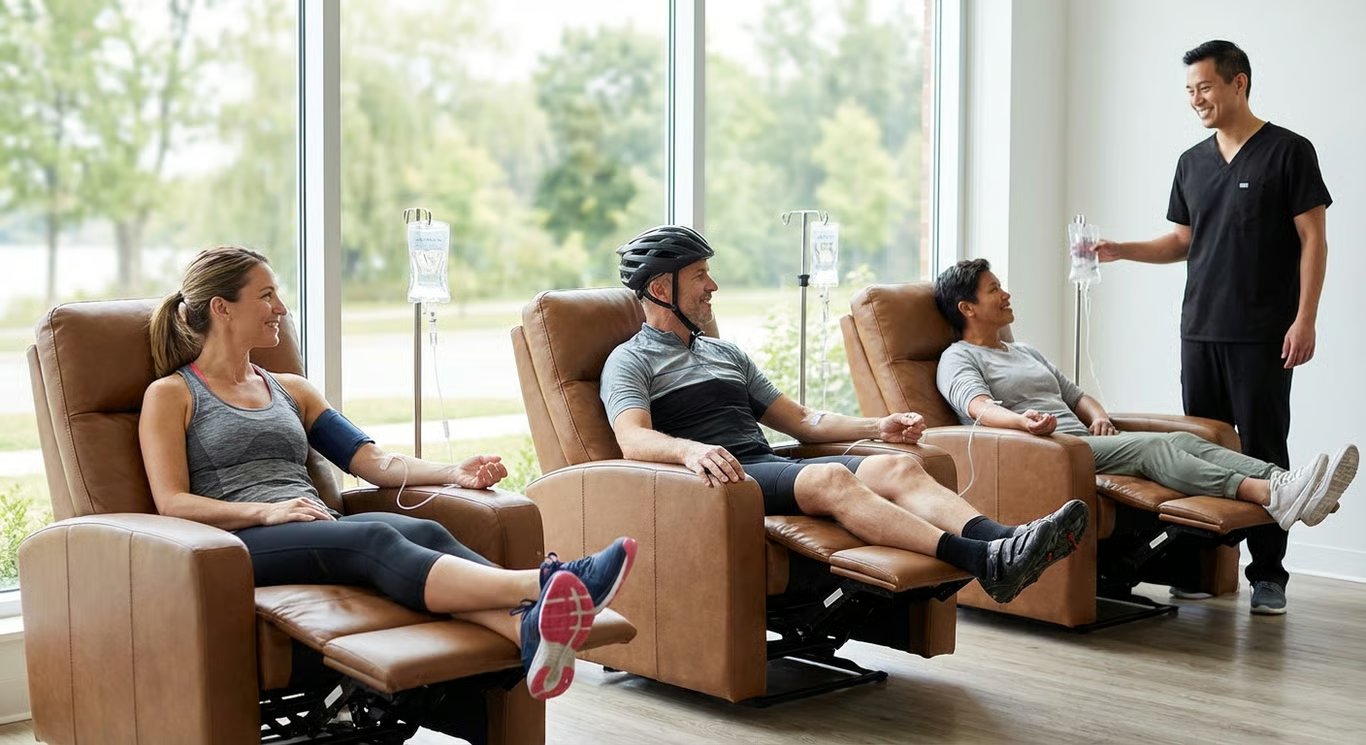
Once the protocol is chosen, you will sit in a comfortable chair, and a professional will insert a small needle into a vein in your arm to place the IV line. The infusion typically takes between 30 to 60 minutes. During this time, you can relax, read, or listen to music. Many athletes report feeling a cooling sensation as the fluids enter the bloodstream, followed by a sense of relaxation.
“IV therapy ensures 100% absorption by bypassing the digestive system and delivering nutrients directly into the bloodstream.” -Novo Wellness Center
After the session is complete, the IV is removed, and a small bandage is applied. You will be given aftercare instructions, which usually include continuing to drink water and monitoring how you feel during your next workout. Most people can go about their day immediately, but it is good to pay attention to your body’s response.
The frequency of visits depends on your goals. Some athletes might schedule a session only before a big race or after a marathon. Others might come in periodically during intense training blocks. Your provider will give you advice on the best schedule for your specific situation to ensure you are not overdoing it.
How IV Therapy Compares to Other Recovery and Performance Strategies
IV therapy is just one of many tools available to athletes. Traditional recovery strategies include proper nutrition, oral hydration, stretching, massage therapy, compression gear, and cold or heat therapy. Each of these methods has its place. For example, massage is great for working out knots, while compression gear helps with blood flow.
IV therapy fits into this picture as a method for internal systemic recovery. While a massage works on the muscles from the outside, IV therapy nourishes them from the inside. It adds the most value during peak training times, travel, or tournaments when the body is under high stress and oral intake might not be enough to keep up with the demand.
Think of recovery as a pyramid. The base is sleep, diet, and training management. Without these, nothing else matters much. IV therapy sits near the top of the pyramid, offering an additional edge for athletes who have already mastered the basics. It is an investment in maximizing the body’s potential once the foundation is solid.
Combining IV Therapy with Training and Nutrition Plans
For the best results, athletes and their coaches should coordinate IV sessions with their training calendar. For instance, scheduling a recovery drip on a rest day after a heavy block of training can maximize the benefits. Conversely, a hydration drip might be best scheduled a day or two before a major event.
Collaboration is key. IV providers in Oakville often work alongside dietitians and strength coaches to ensure the therapy supports the overall plan. This ensures that the IV treatments do not conflict with carbohydrate loading or other nutritional strategies, but rather enhance them for optimal performance.

Cost, Accessibility, and Choosing an IV Therapy Clinic in Oakville
The cost of athletic IV sessions can vary depending on the ingredients used and the complexity of the blend. Generally, basic hydration drips are more affordable, while comprehensive infusions with premium ingredients like NAD+ or high-dose glutathione will cost more. Customization and add-ons also influence the final price, so it is wise to ask for a breakdown of costs upfront.
Fortunately, accessibility in Oakville is good. There are numerous sports medicine clinics, wellness centers, and even mobile IV services that cater to active individuals. Clinics like Inside Health Clinic provide these services in a professional setting, making it easy for locals to incorporate treatments into their routine. When looking for a place, prioritize accessibility and comfort.
When choosing a clinic, do your homework. Check the credentials of the staff to ensure they are licensed medical professionals. Look for transparency regarding ingredients and safety protocols. Reading reviews and testimonials from other athletes can also give you a good idea of the clinic’s reputation and the quality of care you can expect.
Questions to Ask Before Booking
Before you book your first appointment, prepare a few questions. Ask: “Who administers the IVs and what are their qualifications?” and “How are your protocols developed?” It is also important to ask about their screening process and how they handle any potential adverse reactions. Knowing you are in safe hands is paramount.
Furthermore, ask for a clear explanation of the ingredients and dosages. A reputable clinic will be happy to explain exactly what is going into your body and why. If you are working with a physician or sports medicine doctor, ensure the IV clinic is comfortable coordinating with them if necessary.
Frequently Asked Questions about IV Therapy for Athletic Performance and Recovery in Oakville
1. How quickly will I feel the effects of IV therapy on my performance or recovery?
Many athletes report feeling the benefits relatively quickly. Increased energy, reduced muscle soreness, and a clearer head are often felt within a few hours to a day after the treatment. The immediate hydration can make you feel “perked up” almost right away, especially if you were dehydrated beforehand.
However, the timing and magnitude of these benefits depend on the individual. Factors such as your current hydration status, any nutrient deficiencies you might have, and your overall training load play a role. Some people may need a few sessions to notice a significant difference in their long-term performance.
2. How often should athletes in Oakville get IV therapy?
The frequency of IV therapy varies widely. Some athletes only use it occasionally, such as during the week leading up to a big competition or immediately after to speed up recovery. Others who are in a heavy training cycle might schedule sessions more regularly, perhaps once or twice a month.
It is crucial to base this frequency on medical guidance. Individual assessments help avoid unnecessary treatments. A qualified provider will help you align your sessions with your competition calendar so that you are getting the support you need exactly when you need it.
3. Is IV therapy covered by insurance or health benefits?
Insurance coverage for IV therapy can be tricky. Some extended health plans may cover infusions if they are deemed medically necessary and prescribed by a doctor for a specific condition. However, IV therapy used strictly for wellness or athletic performance is often not covered.
It is best to contact your insurance provider directly to understand your coverage. You should also ask the Oakville clinic if they provide detailed receipts that can be submitted for extended health benefits, specifically under naturopathic or nursing services, depending on who administers the treatment.
4. Can IV therapy help prevent cramps and mid-race dehydration?
By improving your hydration status and topping up electrolyte levels before an event, IV therapy can certainly reduce the risk of cramping and dehydration. Starting a race in a fully hydrated state gives you a buffer that can help maintain performance for longer.
However, it does not guarantee prevention. You still need to drink fluids during the race and follow a hydration plan. IV therapy is a tool to help get you to the start line in optimal condition, but it does not replace the need for proper fueling while you are competing.
5. Is IV therapy appropriate for beginner or recreational athletes in Oakville?
Yes, recreational athletes can potentially benefit from IV therapy, especially during periods of higher-than-normal activity, hot weather, or long charity events. If you are pushing your body harder than usual, the extra support can be very helpful.
That said, beginners should focus on optimizing their basic habits first, like diet and sleep. Before trying IV therapy, a medical consultation is essential to determine if it is appropriate for your level of activity and health history, ensuring you have realistic expectations.
Conclusion: Is IV Therapy Right for Your Athletic Goals in Oakville?
IV therapy offers a compelling option for athletes looking to gain an edge in their training and recovery. By delivering fluids, electrolytes, and essential vitamins directly into the bloodstream, it supports faster recovery, enhanced hydration, reduced soreness, and more consistent performance. Whether you are a competitive athlete or a dedicated weekend warrior, ensuring your body has the nutrients it needs is key to staying in the game.
However, it works best when viewed as part of a broader strategy. It should complement, not replace, structured training, smart nutrition, and quality sleep. Safety is non-negotiable, so always seek out professional supervision. If you are looking to optimize your physical capabilities, IV therapy might be the missing piece of your puzzle.
If you are interested in exploring how IV therapy boosts athletic performance and recovery in Oakville, take the next step by consulting with a qualified local clinic. Discuss your training schedule, health history, and recovery challenges to see if a customized protocol is right for you. Don’t let fatigue or slow recovery hold you back—book a consultation today to determine if IV therapy is the appropriate addition to your performance plan.