
Key takeaways
- Neuropathy is a symptom pattern, not one condition; numbness, tingling or burning can have several contributing factors at once.
- Common ones include blood sugar, low B12 and other nutrients, chemotherapy, injury or nerve compression, thyroid changes, alcohol and autoimmune conditions.
- Blood work and a naturopathic assessment help sort out which factors may apply to you.
- A personalized, supportive plan starts with finding them.
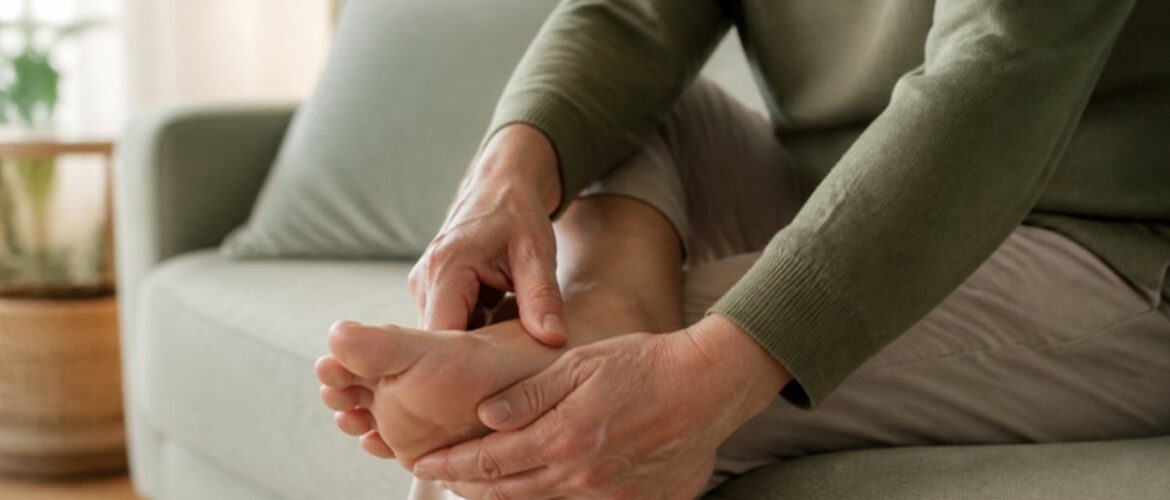
Pins and needles after sitting cross-legged is one thing. Numbness or burning that returns day after day is another. It can feel like wearing a sock that is not there. Knowing what might be contributing is the first step in deciding what to do about it.
Ready to look for the answers? Call our office at 905-842-6654 to schedule a naturopathic assessment at Inside Health Clinic. Dr. Kyle Viehweger, ND, whose focus includes chronic pain and musculoskeletal conditions, can see you in Oakville.
What is the most common cause of neuropathy?
Diabetes and high blood sugar are the leading contributors. The National Institute of Neurological Disorders and Stroke (NINDS) lists diabetes as the most common cause of peripheral neuropathy, and NIDDK notes that about one-third to one-half of people with diabetes have peripheral neuropathy. Blood sugar markers such as fasting glucose and HbA1c help show where you stand.
Can low B12 or other nutrient shortfalls contribute?
Yes. Vitamin B12 deficiency can cause numbness and tingling in the hands and feet, sometimes without anemia, according to the NIH Office of Dietary Supplements. Risk goes up with age, digestive conditions such as celiac or Crohn’s disease, stomach surgery, a vegan or vegetarian diet, and some long-term medications such as metformin and acid reducers. Mayo Clinic also lists B1, B6 and vitamin E among nutrients involved. Blood work can check B12 and related markers.
Can chemotherapy cause neuropathy?
Some chemotherapy drugs can affect the nerves in hands and feet; NINDS and Mayo both list chemotherapy among causes. For people in treatment or recovery, our team looks at the whole picture, including nutrient status and comfort-focused supports.
Can an injury or nerve compression cause symptoms?
Yes. Accidents, sports injuries, repetitive motion and pressure on a nerve, for example at the wrist or the lower back, can all contribute. Because the spine and joints are often part of the picture, chiropractic care and spinal decompression with Dr. Chelsea Lorimer, DC are among the supportive options we may suggest when they suit your assessment.
Do thyroid problems play a role?
They can. Mayo Clinic lists kidney, liver and thyroid disorders among contributors. A thyroid panel (TSH, free T3, free T4 and thyroid antibodies) is part of the blood work available at our clinic.
What about alcohol and autoimmune conditions?
Heavy alcohol use is a recognized contributor, and autoimmune conditions such as lupus and rheumatoid arthritis can affect nerves too. NINDS also notes infections, kidney and liver problems and toxins. Markers such as ANA, liver and kidney values and inflammation can add useful context.

How do blood work and a naturopathic assessment look for contributing factors?
A naturopathic assessment, which runs 60 to 90 minutes, reviews your symptom pattern, diet, medications, alcohol intake, injuries, stress and family history. Proper blood work then checks things like fasting glucose and HbA1c, B12, folate, thyroid markers, inflammation, and liver and kidney function. Together they give your naturopathic doctor a clearer map and shape a personalized plan. The Neuropathy Program page describes how assessment, planning and follow-up fit together.
What does the research say about supporting nerve health?
Mayo Clinic notes that regular exercise, such as walking three times a week, can lower neuropathy pain, improve muscle strength and help manage blood sugar levels, and that good nutrition, with fruits, vegetables, whole grains and lean protein, helps make sure you get important vitamins and minerals. It also notes that inserting thin needles at various points on the body might lessen peripheral neuropathy symptoms. NINDS and Mayo Clinic describe blood work as a common way to look for contributing factors such as blood sugar, vitamin levels and thyroid, kidney and liver function. These are the same threads our assessment pulls together: lifestyle, nutrition, acupuncture and the lab picture.
What should I bring to my first visit?
A short note of where and when symptoms appear and what makes them better or worse, a simple written list of what you take, including anything prescribed, and any recent lab results. If you have a family member who has noticed changes in how you walk or stand, bring them along.
Frequently asked questions
Is numbness always nerve damage?
Not necessarily. Posture, pressure on a nerve and nutrient shortfalls can contribute, which is why assessment matters.
Can more than one cause be present?
Yes, and that is common. Blood sugar, nutrients and thyroid can overlap.
Which tests are usually useful?
Fasting glucose, HbA1c, B12, folate, thyroid markers, inflammation, liver and kidney values.
Does diet matter?
It can. Nutrition is part of the assessment and plan.
Are there supports for comfort?
Yes, including acupuncture, laser, PEMF and clinical supplementation where suitable.
How soon should I book?
Sooner gives more information to work with. Call our office to schedule an assessment when symptoms persist.
If you notice sudden weakness, numbness that spreads rapidly, loss of bladder or bowel control, or signs of a stroke, call 911 or go to the nearest emergency department.
Call to schedule your neuropathy assessment
Start with a conversation, and leave with a plan built around you. Call our office at 905-842-6654 and our team will get you scheduled with the right practitioner, whether that is a naturopathic assessment or chiropractic care and spinal decompression. Inside Health Clinic is at 2486 Old Bronte Rd #107, Oakville.
Sources
- NINDS, Peripheral Neuropathy: https://www.ninds.nih.gov/health-information/disorders/peripheral-neuropathy
- Mayo Clinic, Peripheral neuropathy: symptoms and causes: https://www.mayoclinic.org/diseases-conditions/peripheral-neuropathy/symptoms-causes/syc-20352061
- Mayo Clinic, Peripheral neuropathy: diagnosis and treatment: https://www.mayoclinic.org/diseases-conditions/peripheral-neuropathy/diagnosis-treatment/drc-20352067
- NIH Office of Dietary Supplements, Vitamin B12 fact sheet: https://ods.od.nih.gov/factsheets/VitaminB12-HealthProfessional/
- NIDDK, Diabetic neuropathies: https://www.niddk.nih.gov/health-information/diabetes/overview/preventing-problems/nerve-damage-diabetic-neuropathies